Launch It, Break It, Bin It: The British Firms Treating Websites Like Pop-Up Shops
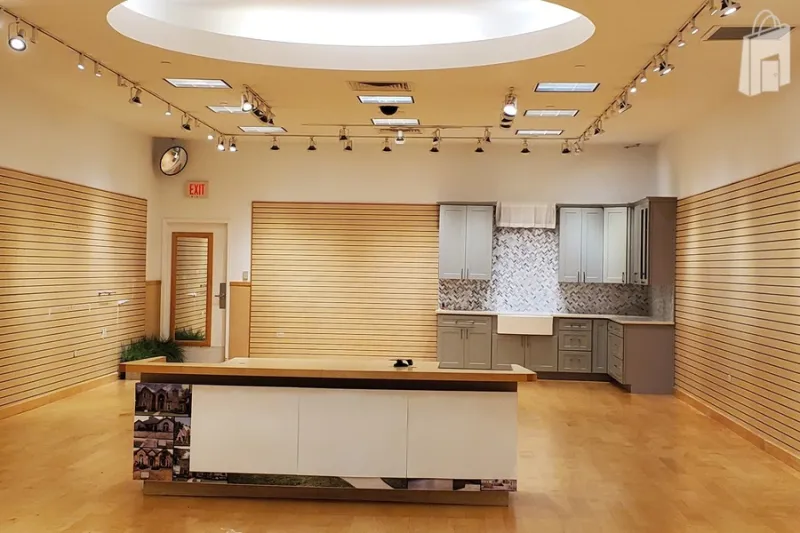
Photo: empty retail pop-up shop interior small business, via d2v9kn8vtn478j.cloudfront.net
There's a particular kind of dread that sets in around month four of a traditional website project. The scope has crept. The copywriter has gone quiet. The developer keeps mentioning 'edge cases'. By the time the thing launches, the market has moved on, the seasonal window has closed, and the founder is too exhausted to care.
A growing number of British businesses have decided that's mad — and they're building their digital shops the way retailers have always built pop-up stores: quickly, cheaply, and with every expectation that some of it won't survive the season.
From Flagship to Market Stall
The thinking borrows directly from retail. Nobody expects a Christmas market stall in Manchester to have the polish of a Selfridges flagship. It exists to test whether people want what you're selling — and if they don't, you pack up in January and try something else.
That's precisely how Leeds-based homeware startup Fern & Fable now operates online. "Our first site took nine months and cost more than our first stock order," says co-founder Priya Malhotra. "It was beautiful and completely wrong. So we binned it. Now we launch a new microsite in a fortnight for every collection. If it sells, it becomes permanent. If it doesn't, we've lost two weeks, not two seasons."
This isn't laziness or corner-cutting. It's a deliberate rejection of the idea that a website is a monument. Increasingly, it's a stall — and stalls are allowed to be temporary.
The Tools Made It Inevitable
Part of the shift is technological. No-code builders, off-the-shelf commerce platforms and AI-assisted copywriting have collapsed the cost of standing something up. What used to require an agency retainer now needs an afternoon and a debit card.
But the deeper driver is cultural. British business has spent a decade being told to 'fail fast' without ever being given permission to fail visibly. A pop-up website does exactly that — it puts a rough idea in front of real customers and lets their behaviour, not an internal committee, decide what survives.
Bristol digital studio Hatch & Co, who now offer 'fortnightly launches' as a product, put it bluntly: "Our clients used to want certainty. Now they want signal. A permanent site gives you neither. A two-week experiment gives you actual data from actual humans."
What Gets Lost
There are legitimate objections. A rotating cast of microsites can fragment your brand, confuse returning customers, and play havoc with SEO — search engines reward longevity and consistency, not constant demolition. There's also a craft argument: some things genuinely deserve six months of care. A financial services site handling people's pensions probably shouldn't feel like a market stall.
The founders doing this well aren't actually abandoning permanence — they're being honest about which parts of their digital presence earn it. The core brand site stays stable. The experiments happen around the edges: a seasonal landing page here, a product microsite there, a landing page for a single campaign that lives for exactly as long as the campaign does.
The Pop-Up Mindset
What's really changing isn't the technology — it's the emotional relationship businesses have with their own websites. The old model treated a site as a finished thing you 'completed' and then maintained with dread. The new model treats it as inventory: something you buy cheap, display boldly, and mark down without sentiment when it stops shifting.
For a nation of small businesses long bullied by oversized web projects, that might be the most evolved idea of all. Not every page needs to be forever. Some of them just need to be open on Saturday.