Sole Trader, Plus One Machine: Inside Britain's AI-First One-Person Businesses
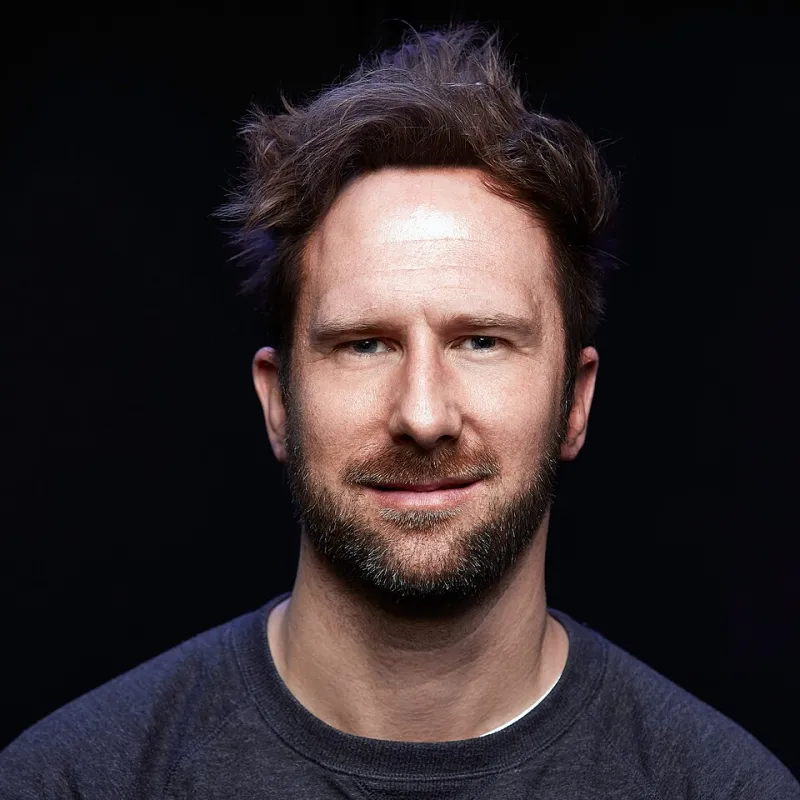
Photo: Grafiknz, CC BY-SA 4.0, via Wikimedia Commons
There's a particular kind of founder you'll now find in co-working spaces from Manchester to Margate. They sit alone at a desk with two screens. On one: the work. On the other: the colleague.
That second screen is running a chat window, an automation dashboard, maybe a voice agent answering the phone. It is, in every sense that matters, their first hire — and it cost less per month than a zone 1–2 travelcard.
Call them the two-screen bosses. Solo founders who have decided that before they ever put a human on payroll, they'll put a machine in the onboarding doc.
A Week in the Life, Three Times Over
Take Priya, who runs a specialist insurance brokerage out of Leeds. Her Monday morning starts not with emails but with a prompt: her AI assistant has already triaged overnight enquiries, drafted responses for the routine ones and flagged the three that need her actual judgement. She estimates it handles "the boring eighty percent" of her inbox. What she won't let it touch? Anything involving a claim in progress. "That's where I earn my fee," she says. "The machine can type. It can't be accountable."
Then there's Dan in Bristol, who runs a small e-commerce brand selling reclaimed furniture. His automation stack writes product descriptions, chases invoices and handles first-line customer queries. His line, repeated often enough to be a company value: "The robot does the repetition, I do the relationships." His weekly schedule reserves two half-days for nothing but sourcing stock and talking to customers — the two things he refuses to automate, on principle and, he admits, on pleasure.
And in Glasgow, there's Aileen, a management consultant who has effectively made AI her graduate intern. It drafts proposal documents, which she then rewrites substantially. It summarises research. It does not, under any circumstances, speak to clients. "I've seen what happens when people let the machine talk for them," she says. "It sounds like everyone. And nobody hires you to sound like everyone."
The Delegation Map
Across these three businesses — and plenty like them — a pattern emerges. Certain tasks get handed over almost universally: invoice chasing, first drafts, meeting notes, customer triage, the admin sludge that a first employee would otherwise wade through.
What gets guarded is just as consistent. Pricing decisions. Client relationships. Anything with a signature on it. Anything where being wrong is expensive rather than merely annoying.
The founders aren't outsourcing judgement. They're outsourcing friction.
Model or Make-Do?
Here's the uncomfortable question, though, and it's worth asking properly: is 'AI-first' a genuine business model, or just a flattering way of saying you can't afford staff yet?
The honest answer, for most of the founders we spoke to, is both. Priya is candid about it: "I didn't start with a grand strategy. I started because a part-time admin person would've cost me £1,100 a month and my AI stack costs £90." The strategy came later, retrofitted onto the spreadsheet reality.
But there's a real distinction emerging between the two camps. In one, AI is a bridge — a way to survive the awkward early phase until revenue justifies a human. In the other, AI is the architecture: the business is deliberately designed so that a machine does most of the operational load permanently, and the founder's ambition tops out at staying solo.
The second group is more interesting, and arguably more British. We've a long tradition of the one-person empire run from a spare room — the consultant, the trader, the maker. AI hasn't invented that figure; it's just given them superpowers and a second screen.
What the First Employee Looks Like Now
The knock-on effect is on hiring itself. When these founders do eventually make their first human hire, the job description looks nothing like it would have five years ago. Nobody's recruiting someone to chase invoices or write product copy. The first employee is being hired to do the things the machine provably can't — and that raises the bar on what 'entry level' even means.
It also raises a quieter question about skills. If the traditional apprenticeship tasks of business — the admin, the drafting, the drudgery — are automated from day one, where do junior people learn the judgement those tasks quietly taught?
The two-screen bosses haven't answered that yet. They're too busy answering their customers — well, the machine answers first. But it's their question to inherit.
For now, the pattern is clear enough. Britain's newest businesses aren't choosing between human and machine. They're choosing machine first, human later — and in a few cases, human never. Whether that's the future of the small firm or just its current phase, the second screen isn't going anywhere.